
Unearthing Japan: A Journey into the Secret Traditions of Old.
- Feb 3, 2025
- 4 min read
Japan, often called the "Land of the Rising Sun," is a place where ancient traditions blend seamlessly with modern life. As visitors explore this stunning archipelago, they uncover layers of culture that reflect resilience, artistry, and a deep respect for nature. To truly experience Japan, one must dive into the rich fabric of its traditional culture. In this post, we will explore the unique customs, vibrant places, and cherished traditions that make Japan a living museum of heritage.
The Heartbeat of Tradition: Festivals and Celebrations
Throughout the year, Japan bursts into life with various festivals (matsuri) that celebrate nature, local spirits, and cultural history. One of the most famous is the Gion Matsuri in Kyoto, a celebration held each July that is deeply woven into the city’s identity. This vibrant festival features magnificent floats, traditional garments, and rituals that have persisted for hundreds of years.
During the Gion Matsuri, spectators witness a stunning parade of beautifully decorated floats, some towering over 20 feet high. Each float has its own unique story and is crafted by skilled artisans who dedicate months to their preparation. Engaging in these festivities allows visitors to see firsthand the strong community spirit and commitment to cultural preservation among the Japanese people.

Another notable celebration is the Sapporo Snow Festival, held in February in Hokkaido. This festival attracts over 2 million visitors each year and features magnificent snow sculptures and intricate ice displays. More than 250 snow statues are constructed, showcasing the incredible artistry and creativity that resonates with participants from all over the world.
Exploring Traditional Arts and Crafts
Japan’s traditional arts and crafts are a window into its history, beliefs, and aesthetic sensibilities. From the intricate techniques of pottery to the delicate art of kimono-making, every craft tells a story of patience and dedication passed down through generations.
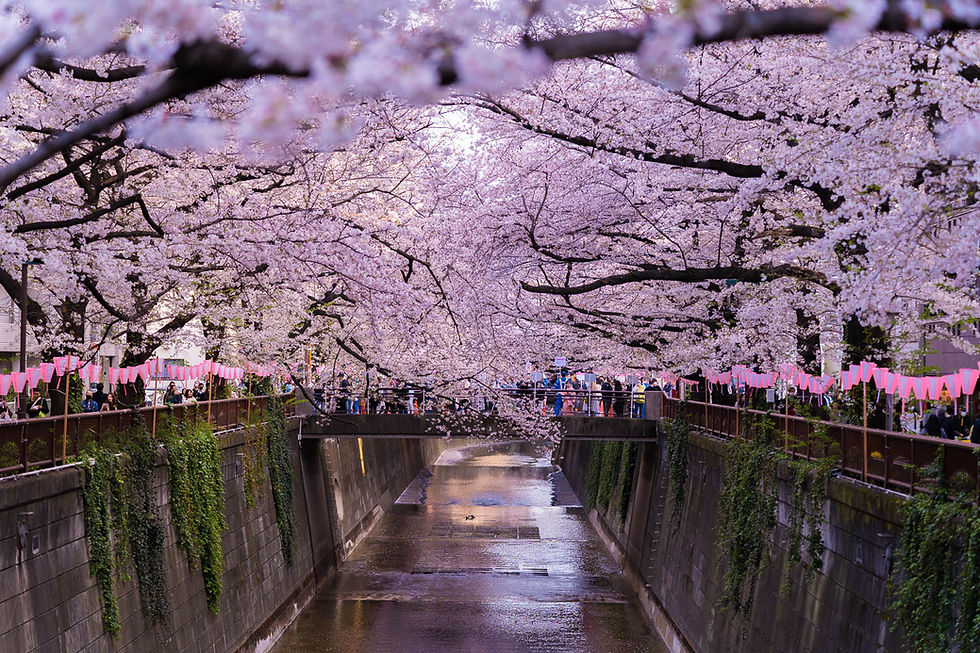
A beautiful example is Ikebana, the Japanese art of flower arrangement. This practice emphasizes balance and simplicity, allowing individuals to connect deeply with nature. Workshops in Ikebana reveal the subtle skills involved in creating arrangements that reflect the seasons. For instance, arrangements might highlight the fleeting beauty of cherry blossoms in spring or the rich colors of autumn leaves.

Moreover, pottery showcases diverse regional styles, particularly in Kutani and Bizen. Each locality contributes its unique glazes and techniques, with Bizen pottery known for its earthy tones and minimalist designs. Visitors can engage with artisans, gaining insights into the philosophy and passion that underpin their craft.
Culinary Heritage: A Feast for the Senses
Japanese cuisine, known as washoku, is a celebration of seasonal ingredients and balanced flavors. It is not merely food but a philosophy that promotes harmony with nature. The aesthetic presentation of dishes and the careful selection of ingredients speak to a profound respect for the culinary arts.
A must-try is kaiseki, a multi-course dining experience that highlights seasonal ingredients. This dining tradition originated from the simple meal served with tea and has evolved into an elaborate culinary journey. A typical kaiseki meal can include 10 or more dishes, each beautifully arranged and representing the season's bounty. Experiencing a kaiseki meal is like attending a fine art performance where each dish narrates a story of the land.
Additionally, the art of sushi-making has become a worldwide phenomenon, but its roots are firmly planted in tradition. Participants in sushi workshops not only learn techniques but also explore the cultural significance of ingredients, from the distinct types of fish to the delicate preparation of vinegared rice.
Temples and Shrines: Spiritual Sanctuaries
The traditional culture of Japan is deeply intertwined with spirituality, often expressed through the stunning architecture of its temples and shrines scattered across the archipelago. These sites are not merely structures; they are places of peace, reverence, and deep connection to history and nature.
Fushimi Inari Taisha in Kyoto stands out with its thousands of vermilion torii gates that snake up the mountain. This shrine, dedicated to Inari, the kami (spirit) of rice and agriculture, attracts over 2 million visitors annually, many of whom seek blessings for prosperity and success. Walking through the gates offers a sense of connection to the past amidst stunning natural beauty.
Furthermore, Toshogu Shrine in Nikko, a UNESCO World Heritage site, showcases Japan's rich history and architectural brilliance. Each detail of this shrine's design reflects the artistry of the Edo period, inviting visitors to delve into its spiritual significance and historical depth.
Celebrating Japan's Living Traditions
As we conclude our exploration into Japan's traditional culture, it becomes clear that these rich customs are more than remnants of the past. They are vibrant expressions of identity and pride that also shape the contemporary lives of the Japanese people.
Experiencing Japan offers a unique opportunity to participate in timeless traditions, from lively festivals and engaging crafts to culinary adventures and spiritual explorations. Unearthing Japan's traditions allows for a deeper understanding of the heart and soul of this remarkable nation.
In every corner, there is a story waiting to unfold, a tradition ready to be embraced, and a history eager to be discovered. Are you prepared for this transformative journey?


Comments